
Skip to content
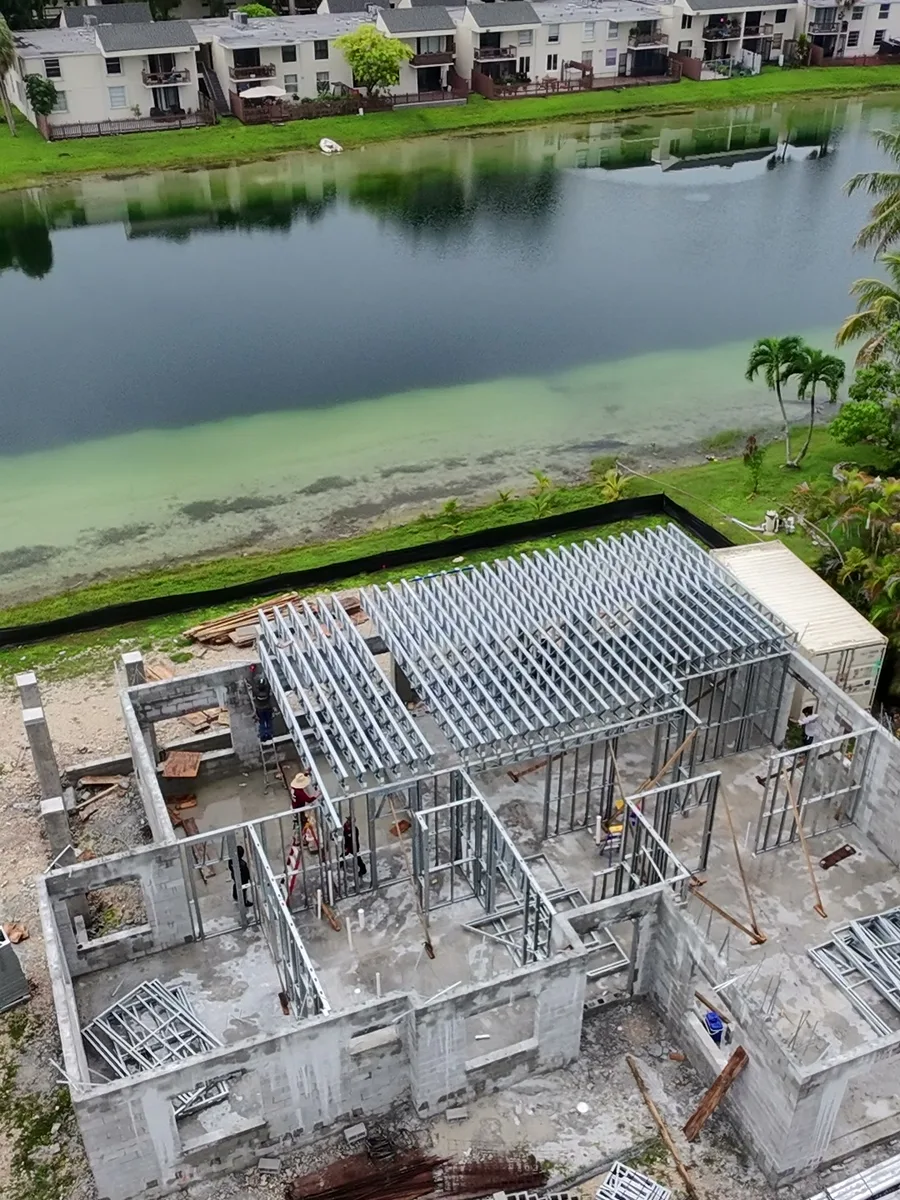
Aerial view of a BuilderK home under construction in Florida, roof trusses set, beside a lake

Blog / Article

Construction

Site Work on a Florida Lot: Clearing, Fill and Foundations

  • November 11, 2026
  • 4 min read
  • BuilderK Team

A per square foot planning rate covers the house. It does not automatically cover what has to happen to the lot before the house can go up. Land clearing, fill and the type of foundation your lot needs are quoted separately, because every lot is different and some need a lot more preparation than others.

This is one of the reasons the lot and budget review at the start of a project matters so much. What you find during that review shapes the real number, not just the planning rate.

Why Site Work Is Priced on Its Own

Standard planning rates assume a typical buildable lot: reasonable access, usable soil, and a foundation type suited to flat, dry ground. Not every lot fits that description. A wooded lot, a low spot that holds water, or a site in a flood zone can all need extra work before the foundation itself is even poured.

Because site conditions vary so much from one lot to the next, this work is scoped after an actual site visit and plan review, not estimated from a generic rate. That is also why BuilderK's published planning rates specifically exclude unusual site work and elevated foundations: those items depend entirely on what your lot requires.

Land Clearing: What It Actually Involves

Clearing means removing trees, brush, stumps and other vegetation so the building pad and access areas are usable. A lot that's been sitting vacant for years, or one that's heavily wooded, usually needs more clearing than a lot that was recently graded or sits in an established neighborhood.

Clearing scope depends on what's actually on the lot. A few scattered trees is a different job than a dense tree line across the whole buildable area. This is part of why a site visit early in the process is worth doing before anyone finalizes a budget.

Fill: Bringing the Lot Up to Grade

Fill is material brought in and compacted to raise the building pad, improve drainage away from the structure, or bring low areas up to the elevation the site requires. Some lots need very little. Others, especially those in low lying areas or certain flood zones, need a meaningful amount of fill before construction can start.

How much fill a lot needs connects directly to flood zone status and drainage patterns on the site. A lot that sits lower than its neighbors, or one near standing water, is more likely to need fill work than a lot on higher, well drained ground.

Foundation Type: Stem Wall, Slab or Elevated

Most Florida homes sit on a standard slab foundation, which works well on flat, well drained lots. Some lots call for a stem wall foundation instead, which raises the living area above grade using a wall between the footing and the floor system. Other lots, particularly those in flood zones, may require an elevated foundation, raising the structure further off the ground.

Which foundation type applies to your lot depends on flood zone designation, soil conditions and local code requirements. This is not a decision made from a desk. It comes out of the site visit, survey information, and coordination with the sealed engineering that goes into the permit package.

Why the Lot Review Comes Before the Budget Number

Here's the practical point: you can't get an honest number for site work before someone has actually looked at the lot. That's true whether you already own the lot or are still deciding whether to buy it.

  • Access and utilities affect how equipment reaches the site and what connections are already available.
  • Flood zone status affects whether fill or an elevated foundation is likely needed.
  • Existing vegetation and topography affect clearing scope.
  • Soil conditions affect which foundation type the engineering will call for.

A free cost calculator can give you a planning range for the house itself, but site work specifics come out of an actual lot and budget review, followed by a formal proposal once plans and the site have both been reviewed.

What This Means for Your Budget

If you're comparing lots, or you already own one and are trying to figure out what it will take to build, don't assume the planning rate is the whole picture. Government permit and impact fees are billed at cost on top of construction, and site work, where it's needed, is its own line item determined by what your specific lot requires.

None of this is meant to make site work sound unpredictable. It's meant to explain why a contractor needs to see your lot before putting a real number next to clearing, fill or foundation type. The sooner that review happens, the sooner you have a budget range you can actually plan around.

Next Step

If you own a lot or are considering one, a lot and budget review during the first conversation covers access, flood zone status and what your site is likely to need before plans are drawn. You can also read more about how flood zones affect a Florida lot or check general lot considerations in our guide on buying a lot in Florida. When you're ready, start with a free discovery call or run the numbers on the cost calculator for a planning range.

Ready to Build in Florida?

BuilderK coordinates plans, permitting, construction, and documents lenders request from the builder, all built to current Florida code.

Get my free consultation