
Skip to content
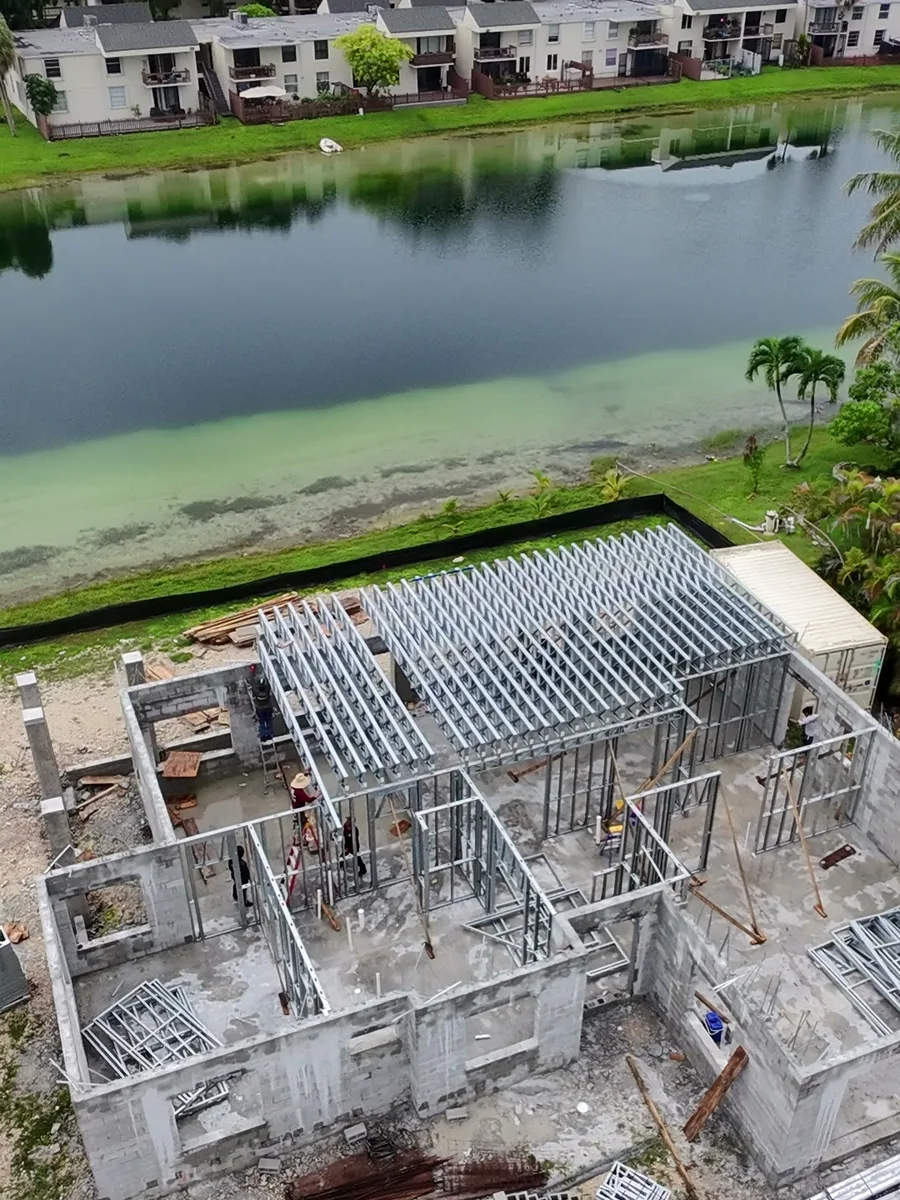
Aerial view of a BuilderK home under construction in Florida, roof trusses set, beside a lake

Blog / Article

Lot Buying

Buying a Lot in Florida: What to Check First

  • September 26, 2026
  • 3 min read
  • BuilderK Team

A lot can look perfect and still cost you a lot more to build on than you expected. The house on it doesn't exist yet, so the things that matter are underground, on paper, or buried in a recorded document: how you get to the road, where water and sewer come from, what flood zone it sits in, and what an HOA will or won't let you build.

None of this shows up in a listing photo. It's worth checking before you fall in love with a lot, and definitely before you spend money on house plans for it.

Access: how do you actually get to this lot

Some lots front a public road. Others sit behind an easement, a private drive, or a stretch of land that isn't maintained or paved. Access affects whether a builder can get equipment and materials to the site, and whether the county will issue a permit at all.

  • Is there a recorded, legal access easement if the lot doesn't front a public road?
  • Is the road paved, or will you need to build and maintain a driveway or access road?
  • Is the lot landlocked, or does it depend on a neighbor's cooperation to reach it?

Unusual site work related to access is not part of standard planning rates, so it's worth understanding before you count on a number.

Utilities: city services, or well and septic

Some lots connect to city or county water and sewer. Others require a private well and septic system. Both can work, but they carry different costs and different steps.

  • Is water and sewer available at the road, or does it need to be extended to the lot?
  • If well and septic are required, has a percolation test or soil evaluation been done for septic suitability?
  • Is electric service already at the lot line, or does it need to be run in?

Utility connections are not included in BuilderK's published planning rates. Knowing what a lot needs before you buy it keeps that cost from becoming a surprise later.

Flood zone: what it means for your build

Florida has a lot of flood zone variation, sometimes within the same neighborhood. The flood zone a lot sits in can affect foundation requirements, insurance, and overall project cost.

  • What FEMA flood zone is the lot in, and has that map changed recently?
  • Does the zone suggest an elevated foundation, which is not part of standard planning rates?
  • Are there base flood elevation requirements that could affect the design?

Coastal and flood zone projects typically cost more than inland, standard sites. That's not a reason to avoid a lot, it's a reason to know the number before you commit to it.

HOA and deed restrictions

A homeowners association or a recorded deed restriction can shape what you're allowed to build, sometimes more than the county code does.

  • Are there restrictions on exterior materials, roof type, or architectural style?
  • Is there a minimum or maximum square footage?
  • Does the HOA have an approval process and timeline separate from the county permit process?

If you already have a floor plan or style in mind, it's worth checking it against HOA rules early. Reworking a design after HOA review can cost time you didn't plan for.

Why this comes before plans, not after

Design work, engineering and permitting all cost time and money. Doing them before you understand access, utilities and flood zone means you might design a home that doesn't fit the lot, or discover a cost that changes your budget after you've already paid for plans.

BuilderK's week 1 lot and budget review looks at access, utilities and flood zone for a lot you already own, or one you're still considering, and lays out what they mean for the build along with a realistic budget range. This happens before anyone spends money on plans, whether you're comparing a few lots or you've already got one under contract.

Next step

If you're still deciding between buying land and building versus buying an existing house, our guide on building on your lot versus buying lays out the tradeoffs. If you already have a lot in mind, start with a free discovery call, or run the numbers first with the cost calculator for a planning range.

Ready to Build in Florida?

BuilderK coordinates plans, permitting, construction, and documents lenders request from the builder, all built to current Florida code.

Get my free consultation