What is a construction loan?
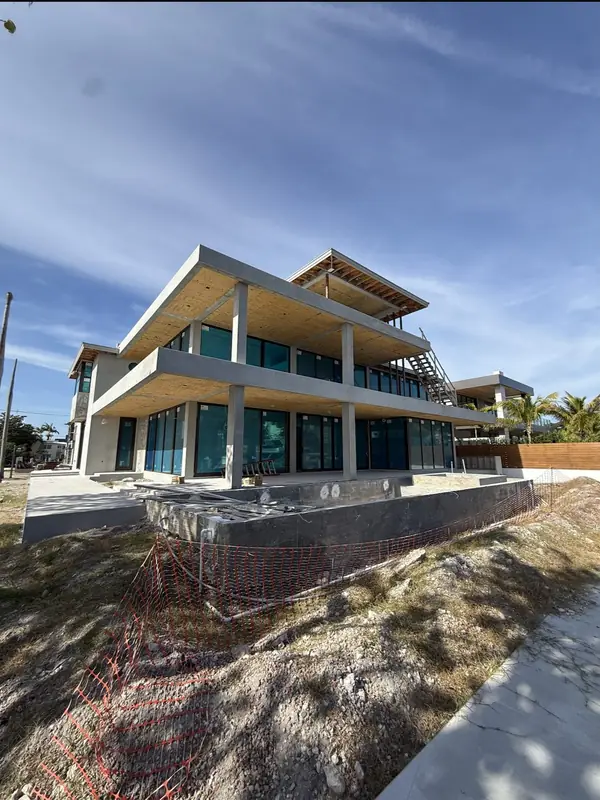
A construction loan is temporary financing that covers the cost of building a new home. Funds are released in stages (draws) as construction progresses. During building, many programs charge interest on funds already drawn. Permanent financing depends on whether you chose a construction to permanent structure or a separate loan.
What credit score do I need?
Requirements vary by lender and program. Some programs use credit score guidelines alongside income, debt, reserves, down payment, appraisal, and project feasibility. Ask each lender which criteria apply to the specific program you are comparing.
What is a single close loan?
A single close (construction to permanent) loan combines construction financing and a permanent mortgage in one closing. It may avoid a second set of eligible closing costs, but conversion, rate lock, appraisal, completion, and qualification conditions vary by lender and program.
Can I use my land as a down payment?
If you own your lot, its appraised equity may count toward the lender's equity requirement and may reduce or replace cash required. The result depends on appraised value, total project cost, borrower qualifications, and the selected loan program.
How long does it take to get approved?
Timing varies by lender, borrower documents, appraisal, builder review, plans, budget, title work, and program. BuilderK prepares the project documents promptly, but only the lender can provide an approval and closing timeline.
How much does it cost to build in Florida?
BuilderK's calculator provides one combined early planning range based on the home and feature selections you enter. Location, lot conditions, plan complexity, selections, and fees can materially change the range.
Do I need to own the lot before applying?
Not necessarily. Some construction loan programs can include land acquisition, while others require different timing or equity. Ask the lender how the lot purchase, appraisal, and closing must be structured before signing a land contract.