
Skip to content
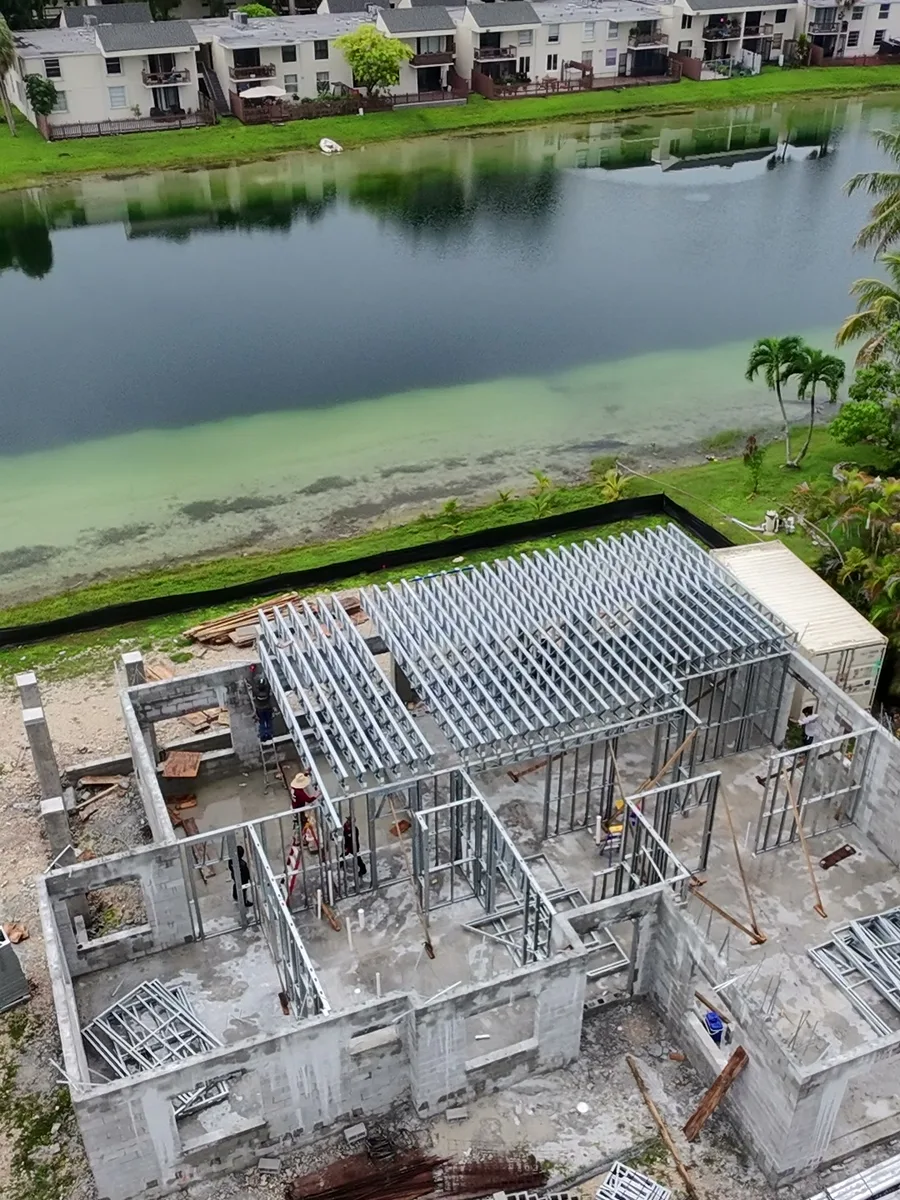
Aerial view of a BuilderK home under construction in Florida, roof trusses set, beside a lake

Blog / Article

Florida Code

Flood Zones and Your Florida Lot: Why They Matter

  • October 26, 2026
  • 3 min read
  • BuilderK Team

Every lot in Florida sits in a flood zone, even if the paperwork never crosses your desk. Some zones carry no special building requirements. Others mean the foundation has to be designed differently, and that changes what the house costs to build. If you own a lot or you're looking at one, understanding the flood zone early saves you from surprises later.

This isn't about scaring anyone off a piece of land. It's about knowing what you're working with before you start pricing out a home.

What a Flood Zone Actually Affects

A flood zone designation tells you how the land is expected to behave during heavy rain or storm surge. Depending on the zone, that can influence where the home sits on the lot, how the foundation is built, and what site work needs to happen before construction starts.

Some lots need little more than standard grading. Others call for an elevated foundation, additional drainage work, or other site preparation that a typical inland lot doesn't need. None of this is predictable from the street. It comes from the flood zone data for that specific parcel.

Why It Changes the Budget

BuilderK's planning rates cover standard construction: structural systems, roof, exterior and custom interior finishes. Elevated foundations and unusual site work sit outside those per square foot numbers because they vary so much from lot to lot.

Coastal and flood zone projects typically cost more than an equivalent home on a standard inland lot. That's not a markup, it's the reality of building for the site conditions. A home on a lot that needs an elevated foundation or extra drainage work will cost more to build than the identical floor plan on a lot that doesn't need any of that.

If you want a clearer picture of what a per square foot number does and doesn't cover, this breakdown is a good place to start.

When to Find Out

The honest answer is before you get attached to plans. Flood zone status is one of the things that should be checked at the same time as access, utilities and anything else that affects buildability, not after you've already picked finishes.

If you're still shopping for land, this guide on what to check first walks through the other items worth confirming before you make an offer.

How BuilderK Looks at This

During the week 1 lot and budget review, BuilderK checks the flood zone along with access and utilities, and explains what that zone means for your specific build. That happens before anyone spends money on plans, so you're working with a realistic budget range from the start rather than finding out mid design.

From there, a licensed GC manages every phase of the build, including any site work the flood zone requires, as part of one coordinated process rather than something you have to track down separately. You can read more about how that process runs from lot review through keys on the process page.

What This Means for Planning

  • A flood zone doesn't rule out a lot. It tells you what the foundation and site work need to account for.
  • Elevated foundations and unusual site work fall outside standard per square foot planning rates.
  • Coastal and flood zone projects typically cost more than comparable inland builds.
  • Knowing the zone early lets you set a realistic budget before design starts, instead of discovering cost changes partway through.

Start With a Clear Picture

If you already have a lot, or you're deciding between a few, the flood zone is one of the first things worth confirming. BuilderK's free cost calculator gives a planning range to start the conversation, and the week 1 lot review goes further with a flood zone check specific to your parcel. You can run the numbers at the cost calculator or reach out through the contact page to set up a free discovery call.

Ready to Build in Florida?

BuilderK coordinates plans, permitting, construction, and documents lenders request from the builder, all built to current Florida code.

Get my free consultation