
Skip to content
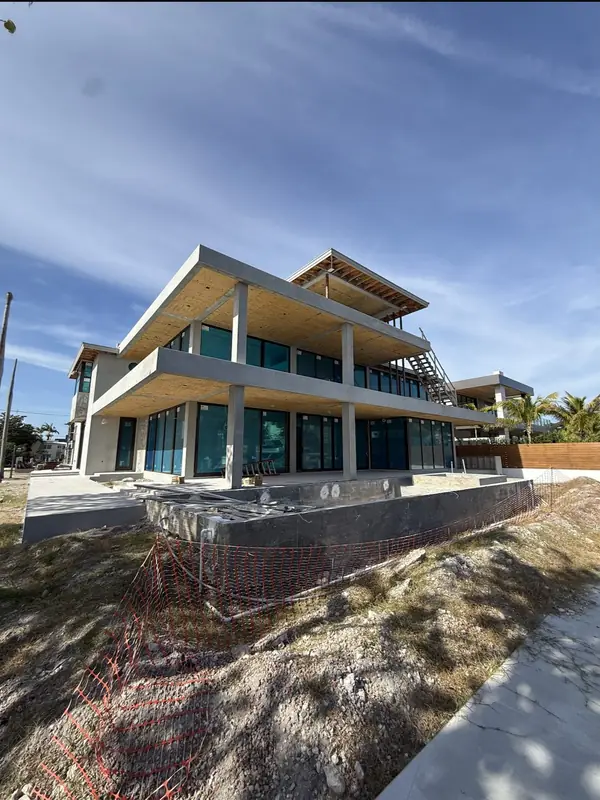
Three story BuilderK home exterior in Florida

Blog / Article

Permitting

Building in an HOA Community: What to Gather Early

  • November 11, 2026
  • 3 min read
  • BuilderK Team

If your lot sits inside a homeowners association, the building permit isn't the only approval you need. Most HOA communities also require a design review before construction starts, and that review runs on its own schedule, separate from the county or city permit office. Florida projects can involve flood zones, wind loads, HOA requirements and several inspections, all at once, and it helps to know what's coming before you sign a contract for plans.

An HOA review usually looks at things a county permit does not: exterior colors, roof style, setbacks beyond code minimums, fencing, sometimes even mailbox style. None of that replaces the permit. It runs alongside it. Here's what that means for your project and what to have ready early.

What an HOA review typically covers

Every association is different, and you'll want to read your specific documents, but HOA architectural reviews commonly touch on:

  • Exterior materials and color palettes
  • Roof pitch, roof material and roof color
  • Setbacks and lot coverage, which may be stricter than county code
  • Garage orientation, driveway material and fencing
  • Landscaping requirements, including what's visible from the street

Some of these overlap with the design choices in a floor plan. If you're starting from a published plan, it's worth checking the elevation and exterior style against your HOA's guidelines before you fall in love with it.

Why it runs alongside permitting, not inside it

The county or city permit office checks code: structural, electrical, plumbing, life safety, flood zone compliance. The HOA checks its own design standards. They're not the same reviewers, and approval from one doesn't fast track the other. A plan can be fully compliant with Florida code and still get sent back by an HOA architectural committee for a color choice, and the opposite happens too: an HOA may approve a rendering that still needs engineering changes to meet code.

That's part of why BuilderK coordinates the permitting process with HOA reviews included. A licensed GC managing both tracks at once can catch a conflict early, before it costs you a redesign after submission.

What to gather before design starts

The earlier you have these documents, the fewer surprises later:

  • The HOA's architectural review guidelines or design standards document
  • The covenants, conditions and restrictions (CC&Rs) for the community
  • Any approved color or material list, if the HOA publishes one
  • Contact information for the architectural review committee or management company
  • Any known timeline or meeting schedule for review submissions

If you're still shopping for a lot, this is worth checking before you buy. Our post on what to check first when buying a lot in Florida covers other due diligence items that belong on the same list.

How HOA review can affect your timeline

HOA committees often meet on a set schedule, maybe monthly, and if your submission misses a meeting, you wait for the next one. That's a scheduling detail that has nothing to do with construction and everything to do with when the committee convenes. It's a good reason to submit for HOA review as soon as you have renders, rather than waiting until county permit submission.

Permitting itself, separate from HOA review, typically runs four to six weeks depending on the municipality. Add an HOA review cycle on top, and the combined timeline depends on how quickly your specific association turns around submissions. For a broader look at how the stages fit together, see our realistic build timeline from first call to keys and how permitting works in Florida.

Where design choices and HOA rules meet

Choosing a style, modern, contemporary, coastal or traditional, isn't just an aesthetic decision in an HOA community. Some associations restrict roof types or exterior finishes to a narrower range than you'd have on an unrestricted lot. If you already have a style in mind, compare it against the HOA's standards before design work goes too far.

What to do next

If your lot is in an HOA community, pull the architectural guidelines and CC&Rs now, even if you're still weeks away from design. Having them in hand lets your design team build a plan that's less likely to bounce back from either reviewer.

BuilderK coordinates the permitting process on every build, HOA reviews included, so one point of contact is tracking both. If you want to talk through your lot and your HOA's requirements, reach out for a free discovery call, or start with the planning rate calculator to get a realistic range before you spend on plans.

Ready to Build in Florida?

BuilderK coordinates plans, permitting, construction, and documents lenders request from the builder, all built to current Florida code.

Get my free consultation