
Skip to content
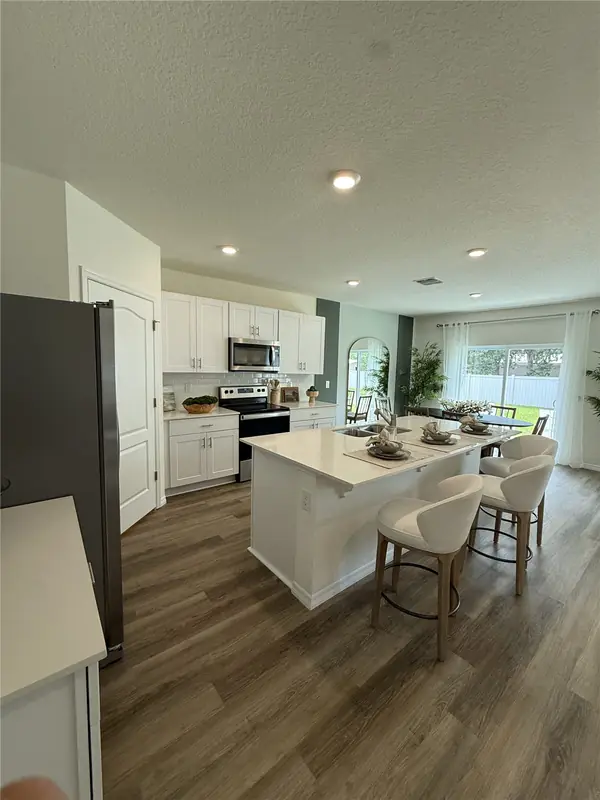
Finished kitchen with an island in a BuilderK custom home

Blog / Article

Lot Buying

No City Water? Building With Well and Septic in Florida

  • November 11, 2026
  • 3 min read
  • BuilderK Team

Plenty of good Florida lots sit outside the reach of city water and sewer lines. That's not a dealbreaker. It just means well and septic become part of your project from the start, with their own planning steps, their own testing and their own place in the budget, separate from the per square foot rate for the house itself.

If you're looking at a lot like this, or you already own one, it helps to understand what changes and when those changes need to happen in your process.

Why Some Lots Don't Have City Utilities

Water and sewer lines follow development. In areas where county or city infrastructure hasn't reached, or where lots are spread out and rural in character, properties rely on a private well for water and a septic system for wastewater instead of a municipal hookup. This is common on larger lots, in unincorporated areas and in parts of Florida still filling in with growth.

Neither option is a downgrade. Wells and septic systems are standard, permitted, inspected systems used across the state. They just come with their own process, and that process needs to start early, not after the house design is locked in.

What Changes in the Planning Process

On a lot with city utilities, connecting water and sewer is mostly a matter of permits and tap fees. On a lot without them, you're adding a few extra steps:

  • Soil testing to confirm the lot can support a septic drain field, since not all soil absorbs and treats wastewater the same way.
  • Well placement and depth, which depends on groundwater conditions specific to that property.
  • Setback requirements between the well, the septic system, the house and the property lines.
  • Permitting through the relevant health or environmental authority, separate from the building permit.

These steps affect where the house can sit on the lot, so they need to happen early, not after the floor plan is finalized. Our first five steps article covers how early lot questions like this fit into the overall sequence.

Why It Sits Outside the Per Square Foot Rate

BuilderK's planning rates cover the structural systems, roof, exterior and interior finishes of the home itself. Well and septic are site specific utility systems, priced based on what that particular lot needs: soil conditions, well depth, system size and permitting requirements all vary from one property to the next. That's why they're billed separately from the per square foot planning range, the same way land, permit fees and unusual site work are. Our article on what a per square foot price really includes goes into more detail on what sits inside that rate and what sits outside it.

Getting a realistic number for well and septic early means it can be built into your overall budget from day one, instead of showing up as a surprise once design is underway.

How This Affects Design and Site Work

Once the well and septic system are placed, they influence where the driveway goes, where the house footprint sits and how the lot is graded. Site work like clearing and fill, which we cover in our site work article, often needs to account for the drain field location so it isn't compacted or built over.

This is part of why lot questions need answers before design starts. A floor plan that works beautifully on paper can run into trouble if it's drawn before anyone has confirmed where the septic system has to go.

What This Means for Financing

Lenders reviewing a construction loan will typically want the well and septic system included in the overall project budget and specifications, since it's part of what gets built and part of what the appraisal considers. BuilderK is not a lender, but as part of preparing the builder documents a lender requests, plans and specifications that include well and septic scope help give a complete picture of the project. Our construction loan questions article covers more about what lenders typically look at.

Requirements vary by lender and program, so it's worth asking directly how a well and septic system factor into your specific loan.

Getting the Right Information Early

If you're not sure whether your lot has access to city utilities, that's a reasonable question to bring to a first conversation. If you already know it doesn't, that's useful information to have before you start sketching floor plans or shopping lenders.

Ready to Build in Florida?

BuilderK coordinates plans, permitting, construction, and documents lenders request from the builder, all built to current Florida code.

Get my free consultation