Skip to content
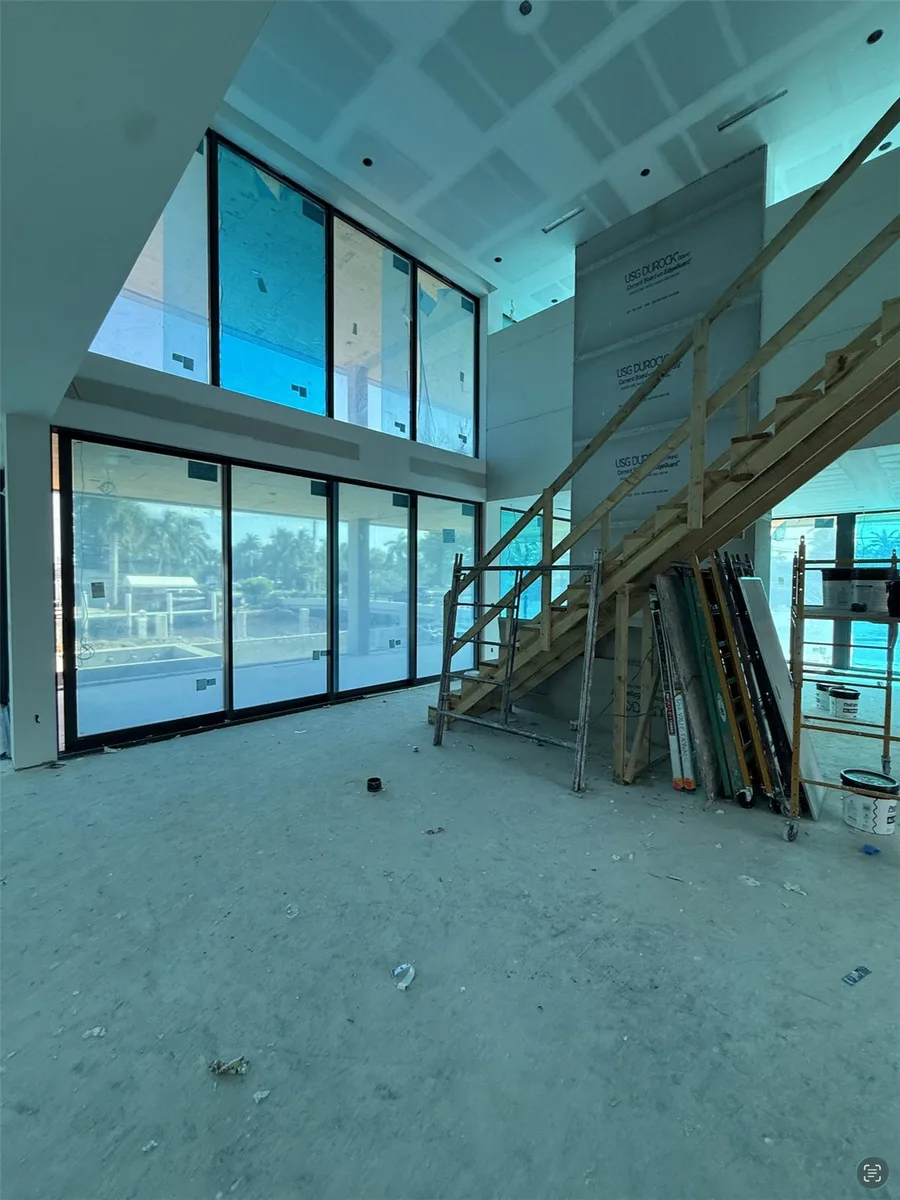
Two story room at the drywall stage in a BuilderK home

Blog / Article

Financing

Single Close Construction Loans, Explained for Lot Owners

  • October 19, 2026
  • 3 min read
  • BuilderK Team

If you've started pricing out a construction loan, you've probably run into two terms that sound similar but aren't: single close and two closings. The difference affects how many times you sign loan paperwork, what happens when your home is finished, and sometimes what the lot you already own can do for you.

This isn't financing advice specific to your situation. It's a plain walkthrough of how these loans generally work, so you know what questions to ask when you talk to a lender.

How a construction loan actually pays for a build

A construction loan doesn't hand you the full amount on day one. Instead, it releases funds in stages, called draws, as the build reaches milestones. Foundation complete, a draw. Framing and dry in, another draw. Rough mechanical and electrical, another. The lender or an inspector typically verifies progress before each release.

This protects everyone involved. The lender isn't funding work that hasn't happened yet, and you're not paying interest on money that's sitting unused. It also means the pace of your draws is tied to the pace of construction, which is one more reason a realistic build timeline matters from the start.

Single close versus two closings

Depending on the program, a single close construction to permanent loan combines the construction loan and the permanent mortgage into one closing. You close once, the construction phase happens, and the loan converts into permanent financing under the lender's terms once the home is complete and conditions are met. It does not convert automatically. It converts when the lender confirms the completion conditions in your loan agreement have been satisfied.

A two closing structure separates these into distinct events: one closing for the construction loan, a second closing later for the permanent mortgage once the home is done. Two separate closings may offer different options than a single close program, and the right fit depends on your lender, your goals and the specific program.

Neither structure is automatically better. The way to know which fits your situation is to compare the actual Loan Estimates side by side, not just a general description of "single close" or "two closings." Fees, terms and conditions vary by lender and by program.

Where your lot fits into the picture

If you already own your lot, its appraised equity may reduce or replace the cash down payment a lender requires. Whether that happens, and by how much, depends on the appraisal, the total project cost, your qualifications as a borrower and the specific loan program. It's not automatic and it's not the same for every lender.

This is one reason the lot and budget conversation needs to happen early, before you've spent money on finished plans. Knowing what your lot might appraise for, and how it could offset a down payment, shapes what's realistic for the rest of the budget. If you haven't already looked at what to check on a lot before you commit to a build, that's covered here.

What lenders typically look at

Every lender and program is different, but construction loan underwriting commonly reviews a similar set of factors:

  • Credit history
  • Income and debt
  • Reserves
  • Down payment, which may be reduced or replaced by lot equity depending on the program
  • Appraisal of the lot and the planned home
  • Overall project feasibility, meaning the plans, specifications and budget make sense together

That last point is why the builder documents matter as much as the financial ones. A lender reviewing a construction loan wants to see that the plans, specifications and budget line up and that the project is buildable as described.

Where BuilderK fits, and where it doesn't

BuilderK is not a lender or a mortgage broker. We don't approve loans, set rates or decide terms. What we do is introduce independent lenders who offer construction loans, and prepare the builder documents they request: plans, specifications and budget. The lender makes every decision about approval, rates, fees and terms.

In practice, this means the lender package runs alongside design, so the documents a lender needs are being built at the same time as your floor plan and finishes, instead of waiting until design is finished to start the financing conversation. You can see how that fits into the overall timeline on the process page.

Next step: a straight conversation about your lot and budget

The clearest way to understand what a single close or two closing loan might look like for your project is to start with your actual lot, your actual budget range, and real Loan Estimates from a lender, not general assumptions. That starts with a lot and budget review, which is also where planning rate ranges become useful instead of abstract. You can get a sense of those ranges with the free cost calculator, then talk through specifics on a discovery call.

Ready to Build in Florida?

BuilderK coordinates plans, permitting, construction, and documents lenders request from the builder, all built to current Florida code.

Get my free consultation