
Building a custom home in Florida means your new construction will meet the latest hurricane building codes right from the start. The 2026 Florida Building Code continues to strengthen requirements for wind resistance, impact protection, and structural integrity. Understanding these standards helps you make informed decisions about your build and gives you confidence in your home's safety.
Blog / Article
Florida Code
Florida Hurricane Building Codes 2026: What New Custom Homeowners Need to Know
Wind Load Requirements
Florida divides the state into different wind zones based on hurricane risk. Coastal areas face the highest wind speeds, while inland regions have somewhat lower requirements. Your custom home must be designed to withstand specific wind loads measured in pounds per square foot.
The structural frame, roof system, and exterior walls all receive engineering calculations to ensure they can handle these forces. This includes everything from the foundation structural anchors to the roof to wall connections. Modern construction techniques like hurricane straps, reinforced concrete block construction, and engineered lumber help achieve these standards.
When reviewing floor plans, you'll notice that open floor plans require additional structural considerations. Large spans without interior walls need stronger beams and connections to maintain the required wind resistance. Your builder will work with structural engineers to ensure every design meets code requirements for your specific location.
Impact Protection Standards
Windows and doors represent vulnerable points during hurricane conditions. Florida requires impact protection for windows and doors in windborne debris regions, which depend on how close you are to the coast and on your area's design wind speed. The strictest rules apply in the High Velocity Hurricane Zone, which covers only Miami Dade and Broward counties. You have two main options: impact resistant glass or protective shutters.
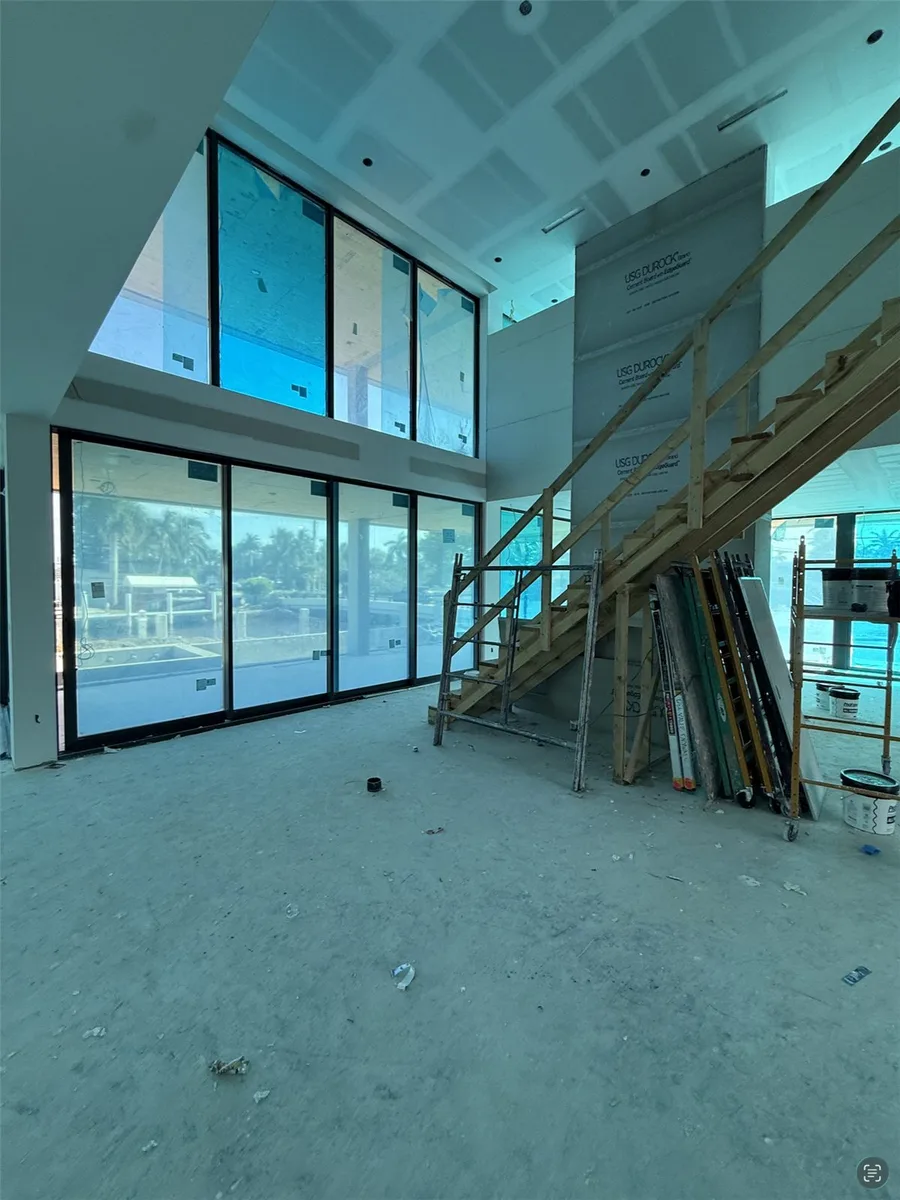
Impact resistant windows and sliding doors feature laminated glass that stays intact even when struck by debris. The glass may crack, but it won't shatter and create openings for wind and rain. These windows also provide benefits all year, like noise reduction and UV protection.
Storm shutters offer an alternative approach. These can be permanent accordion shutters, removable panels, or rolling systems. While less convenient than impact glass, quality shutters provide effective protection when properly installed and deployed.
Your garage door also needs impact rating or reinforcement. Large garage doors create significant openings, and failure during a storm can lead to dangerous pressure changes inside your home.
Roof System Requirements
Florida's roof standards address both wind uplift and water intrusion. The roof structure must resist the upward forces created by hurricane winds passing over your home. This requires specific fastening schedules for roof sheathing and enhanced connections between trusses and walls.
Whether you choose tile, metal, or shingles, roof covering products need testing and approval for your wind zone. Many homeowners appreciate that metal roofing often exceeds minimum requirements while providing long term durability.
Secondary water barriers protect against wind driven rain. These underlayments create an additional seal beneath your primary roof covering. In high wind zones, this protection extends further up the roof slope to guard against water infiltration.
Advantages of Building New
Starting with new construction means your home meets current codes from day one. Older homes may have been built to earlier standards, requiring expensive retrofits to achieve modern protection levels. Your new custom home incorporates these safety features into the original design rather than adding them later.
The integrated approach of new construction also creates better performance. When impact windows, reinforced walls, and engineered roof systems work together as designed, they provide superior protection compared to piecemeal upgrades on existing homes.
Insurance companies recognize this difference. Many offer discounts for homes with current wind mitigation features, especially when documented with proper certifications during construction.
Working with Your Building Team
Your general contractor coordinates with engineers, suppliers, and inspectors to ensure code compliance throughout construction. This includes submitting detailed plans for permit approval and scheduling required inspections at key construction phases.
Understanding these requirements helps you make informed choices about upgrades and options. While the code sets minimum standards, you might choose enhanced features like higher rated impact glass or additional structural reinforcement for extra peace of mind.
Building officials conduct multiple inspections during construction to verify code compliance. These checkpoints ensure that critical elements like foundation connections, structural framing, and impact protection meet specifications before moving to the next construction phase.
Planning Your Investment
Hurricane protection features represent a significant portion of your construction investment. These safety systems protect both your family and your financial investment in the property. When planning your budget, remember that these features are required, not optional.
Use our cost calculator to understand how different choices affect your overall budget. This helps you allocate funds appropriately for required safety features while planning for desired upgrades and finishes.
Building a custom home in Florida means embracing these protective standards as part of creating a safe, comfortable living environment. Your new home will provide the security and peace of mind that comes from meeting the latest hurricane building codes. If you're ready to start planning your hurricane ready custom home, talk with our team about incorporating these essential safety features into your design.
Ready to Build in Florida?
BuilderK coordinates plans, permitting, construction, and documents lenders request from the builder, all built to current Florida code.
Get my free consultationPublished June 13, 2026 · Updated September 26, 2026 · BuilderK, Builders Knowledge Development Inc. · CGC #1537163 · Orlando, FL