
If you're planning to build a home in Florida, almost everyone you talk to will eventually ask: "Are you going with block or wood frame?" It's a fair question, and the answer matters more here than it does in most other states. Florida's heat, humidity, hurricane season, and insurance market all push this decision in specific directions. These are the practical differences that matter.
Blog / Article
CBS Block vs Wood Frame in Florida: The Real Differences
Why This Question Comes Up So Often
What CBS Construction Means
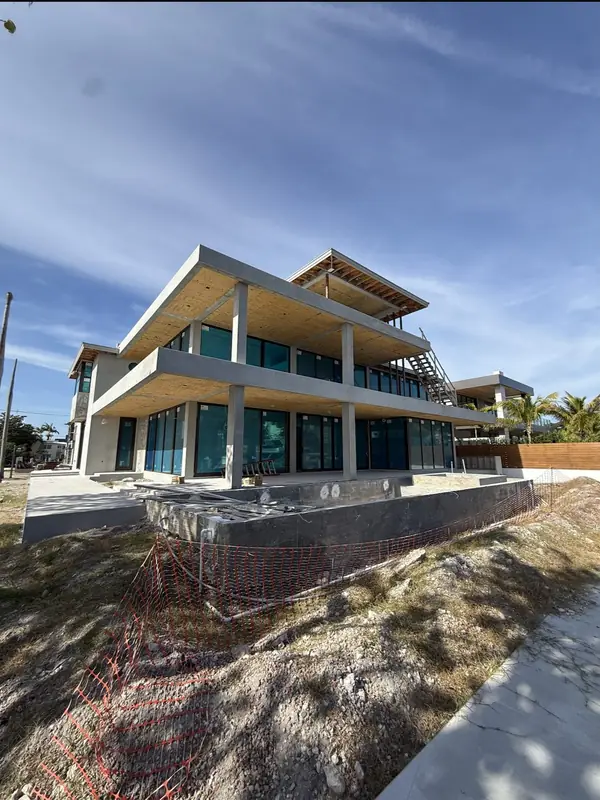
CBS stands for concrete block and stucco, sometimes called CMU (concrete masonry unit) construction. The exterior walls are built with hollow concrete blocks, filled with concrete and steel rebar at key points, then finished on the outside with stucco. This has been the dominant method for Florida homes for decades, and for good reasons.
- Wind resistance: A properly built CBS wall system handles high wind loads well. That matters when you're in a hurricane prone state and your insurance company is doing the math on your risk profile.
- Pest resistance: Concrete doesn't feed termites. Florida has serious termite pressure, and block walls remove a large portion of the structure from that equation.
- Thermal mass: Block walls absorb heat during the day and release it slowly. In a climate where your AC runs hard, that buffer can help keep interior temperatures more stable.
- Fire resistance: Concrete block does not burn, which has obvious safety benefits and can affect insurance ratings.
What Wood Frame Construction Offers
Wood frame construction uses dimensional lumber for the wall studs, with exterior sheathing, house wrap, and a cladding material over the top. It is the standard method across most of the United States. In Florida it's used frequently for second stories, interior walls, and in some areas for full exterior construction.
- Design flexibility: Wood framing is easier to modify and allows for wider spans without special engineering in some configurations. It gives architects and builders more freedom with unusual shapes and openings.
- Cost profile: Material and labor costs for wood frame can differ from CBS depending on your location, the current lumber market, and the specific design. Neither method is always cheaper. Use our cost calculator to get a realistic range for your project rather than guessing.
- Speed: In some cases, wood framing goes up quickly, which can affect your overall construction timeline.
The tradeoff is real, though. Wood is vulnerable to moisture intrusion, termites, and rot in ways that concrete is not. Florida's humidity is not gentle. A wood frame home that is detailed and maintained properly can perform well, but it requires that proper detailing from the start.
Moisture and Humidity: The Florida Factor
This is where a lot of buyers from other states get surprised. Florida's combination of heat, humidity, and frequent rain means moisture management is not optional. It affects both construction types differently.
With CBS construction, the concern is vapor drive from the outside pushing moisture into the wall assembly. Proper stucco application, vapor barriers, and interior finishes all matter. Done right, block walls handle moisture well. Done poorly, you get mold and efflorescence.
With wood frame, the concern is any moisture that gets past the cladding reaching the studs and sheathing. Proper house wrap, flashing at every penetration, and good window and door installation details are critical. The consequences of a moisture failure in wood frame tend to be more severe and harder to fix.
Either way, the quality of the execution matters as much as the material choice. This is a point worth discussing directly with your builder before you finalize plans.
Insurance Considerations in Florida
Florida's property insurance market is one of the most challenging in the country. Construction type is one of the factors insurers use to calculate your premium and coverage options. CBS construction is generally viewed more favorably by insurers because of its wind and fire resistance. That doesn't mean wood frame homes are uninsurable, but it's a real variable you should factor into your long term ownership costs. Talk to an insurance agent licensed in Florida early in your planning process, before you've locked in a structural system.
What BuilderK Typically Builds
Our leadership team has extensive experience with both construction methods across Florida, and our default approach leans toward CBS for exterior walls. The reasons come back to everything above: wind performance, pest resistance, and the realities of Florida's insurance environment. That said, wood framing plays a role in most of our homes, typically for interior partition walls, roof framing, and second story additions where a hybrid approach makes sense structurally and economically.
Every lot and every floor plan is different, and the right structural system for your home depends on your specific location, design, and priorities. If you want to browse starting points, our floor plans can give you a sense of what's possible. When you're ready to talk through your specific site and goals, talk with our team directly.
The Bottom Line
CBS block is the standard in Florida for good reasons. It handles the climate, the pests, and the wind better than wood frame in most situations. Wood frame is a legitimate choice in the right context, and skilled builders use both. What matters most is that your home is designed and built correctly for Florida conditions, regardless of which system ends up on the drawings. Ask questions, understand your options, and make sure your builder can clearly explain the reasoning behind every structural decision on your project.
Ready to Build in Florida?
BuilderK coordinates plans, permitting, and construction and prepares the documents lenders request from the builder. Tell us about your project.
Get my free consultation