Builderk’s Strategy for Entering the Mixed-Use Development Market with 30% Affordable Housing
Introduction: Mixed-use developments combine residential, commercial, and sometimes industrial spaces within a single property. Adding a component of affordable housing (30% in this case) adds complexity but also enhances the project’s appeal to both government entities and socially responsible investors. Builderk’s strategy to enter this market requires a detailed approach that integrates planning, partnerships, and innovative construction techniques. Below is a comprehensive plan outlining each phase of the process.
Phase 1: Market Research and Feasibility Analysis
- Market Analysis:
- Objective: Identify the best locations and opportunities for mixed-use developments with a focus on integrating affordable housing.
- Action Items:
- Conduct a thorough market analysis to identify cities and neighborhoods with high demand for mixed-use spaces and affordable housing.
- Analyze demographic data, income levels, and housing needs to determine the viability of integrating affordable units.
- Assess local zoning laws, housing policies, and incentives that support affordable housing initiatives.
- Feasibility Study:
- Objective: Determine the economic viability and potential challenges of mixed-use projects with affordable housing.
- Action Items:
- Develop financial models to estimate construction costs, rental income from commercial and residential spaces, and potential subsidies or tax incentives for affordable housing.
- Evaluate different financing options, including government grants, tax credits, and public-private partnerships.
- Conduct risk assessments to identify potential challenges, such as market fluctuations, regulatory hurdles, and community opposition.
- Site Selection:
- Objective: Identify and acquire strategically located sites for mixed-use developments.
- Action Items:
- Work with real estate agents and local authorities to identify potential sites that align with the market analysis.
- Assess the suitability of each site in terms of accessibility, infrastructure, and proximity to amenities such as schools, public transportation, and healthcare facilities.
- Negotiate land acquisition deals, securing favorable terms and ensuring clear titles.
Marketing, Leasing, and Sales Strategy
Construction and Development
Partnership Development and Project Planning
Phase 2: Partnership Development and Project Planning
- Strategic Partnership Development:
- Objective: Establish a network of partners essential for the successful execution of mixed-use projects.
- Action Items:
- Form partnerships with architects, urban planners, and developers experienced in mixed-use and affordable housing projects.
- Collaborate with local government agencies, housing authorities, and non-profits to align the project with affordable housing goals and secure necessary approvals.
- Engage financial institutions and investors interested in socially responsible investing to secure funding.
- Project Planning and Design:
- Objective: Develop detailed plans that integrate residential, commercial, and affordable housing components.
- Action Items:
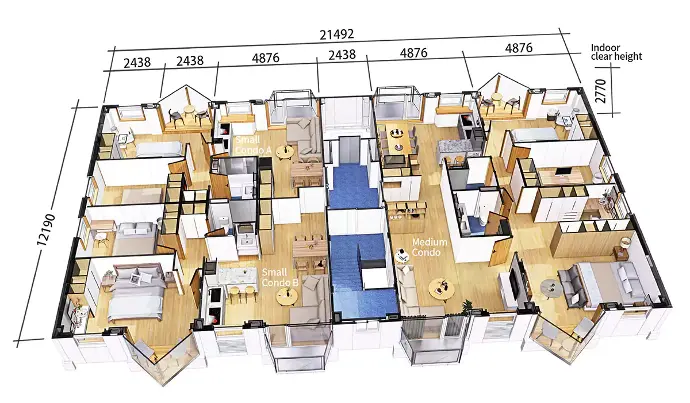
- Work with architects to design a balanced mix of residential units, including affordable housing, retail spaces, and community areas.
- Ensure that the design meets all local zoning requirements, building codes, and sustainability standards.
- Incorporate amenities that enhance the quality of life for residents, such as green spaces, communal areas, and accessible services.
- Legal and Regulatory Compliance:
- Objective: Ensure all legal and regulatory aspects are thoroughly addressed before commencing construction.
- Action Items:
- Engage legal experts to navigate zoning regulations, affordable housing requirements, and building codes.
- Apply for and obtain all necessary permits, including those related to affordable housing allocations.
- Secure tax credits, grants, and other financial incentives available for affordable housing projects.
Phase 3: Construction and Development
- Construction Management:
- Objective: Execute the construction phase efficiently while maintaining high standards for quality and safety.
- Action Items:
- Select and hire contractors and subcontractors with a proven track record in mixed-use and affordable housing projects.
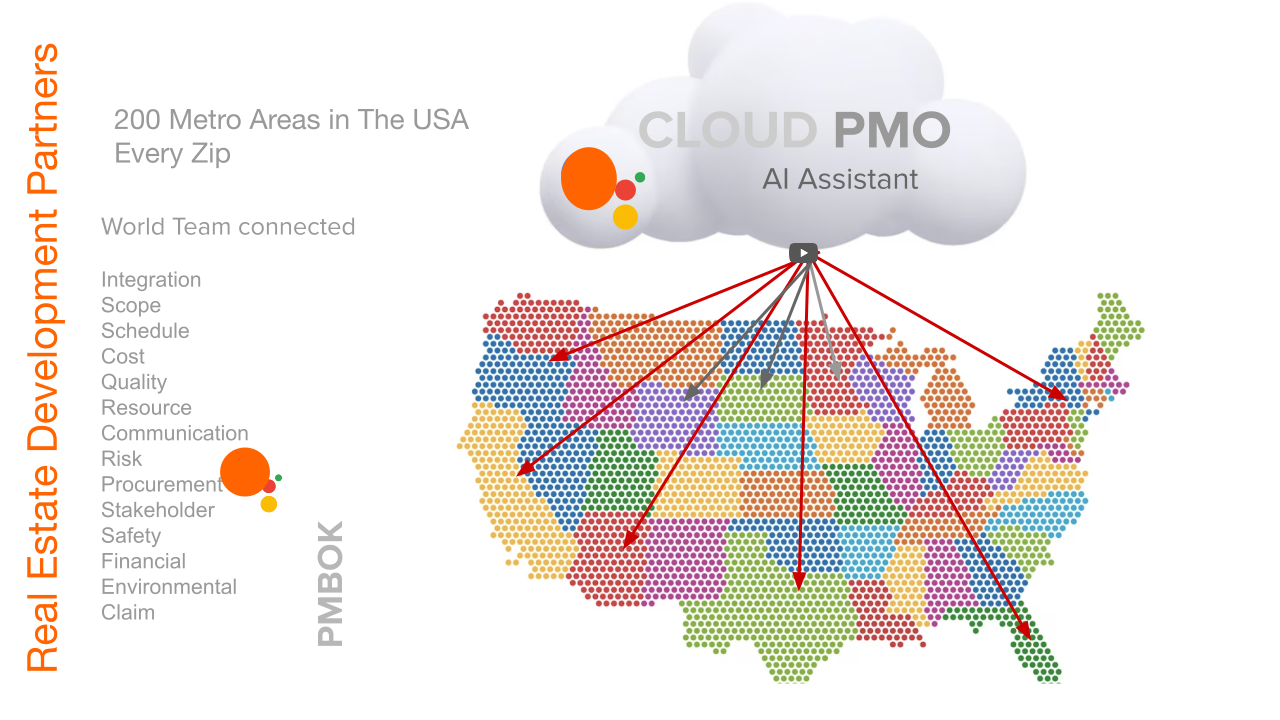
- Utilize Builderk’s project management tools, including cloud-based PMO, to coordinate construction activities, manage timelines, and control budgets.
- Implement quality assurance protocols to ensure that all components of the development meet the required standards.
- Affordable Housing Integration:
- Objective: Seamlessly integrate affordable housing into the mixed-use development.
- Action Items:
- Design the affordable housing units to blend aesthetically with market-rate units, avoiding any stigmatization of the affordable component.
- Collaborate with housing authorities to ensure that the affordable units meet all eligibility criteria and are accessible to those in need.
- Implement cost-effective construction methods to keep the development financially viable while maintaining quality.
- Sustainability and Innovation:
- Objective: Incorporate sustainable practices and innovative solutions to enhance the project’s value and appeal.
- Action Items:
- Use eco-friendly materials, energy-efficient systems, and green building practices to reduce the environmental footprint.
- Integrate smart building technologies, such as energy management systems and automated controls, to improve efficiency and reduce operating costs.
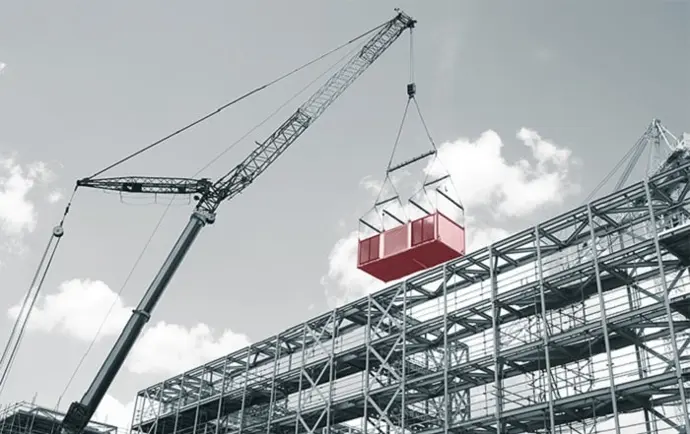
- Explore modular construction techniques for faster delivery times and reduced waste.
Phase 4: Marketing, Leasing, and Sales Strategy
- Target Audience Identification:
- Objective: Identify and engage potential tenants and buyers for the mixed-use development.
- Action Items:
- Segment the market into residential tenants (both affordable and market-rate), commercial tenants, and potential buyers for retail spaces.
- Develop targeted marketing campaigns that highlight the benefits of living and working in a mixed-use community with integrated affordable housing.
- Engage local businesses, community groups, and potential investors early in the process to generate interest and secure commitments.
- Leasing and Sales Strategy:
- Objective: Maximize occupancy and sales while meeting affordable housing requirements.
- Action Items:
- Work with property management companies to pre-lease residential units, with a focus on ensuring that affordable units are allocated to eligible tenants.
- Develop marketing materials that showcase the mixed-use development’s unique features, including its location, amenities, and sustainability aspects.
- Offer flexible leasing options for commercial spaces, attracting a mix of retail, office, and service tenants that complement the residential component.
- Community Engagement and Outreach:
- Objective: Build strong community relations and ensure the development meets the needs of the local population.
- Action Items:
- Host community meetings and workshops to gather input and keep the community informed about the project’s progress.
- Partner with local organizations and businesses to integrate the development into the existing community fabric.
- Promote the development’s benefits, such as job creation, improved local amenities, and increased housing options, particularly for low- and moderate-income families.
Phase 5: Post-Development Management and Expansion
- Post-Development Property Management:
- Objective: Ensure the ongoing success and smooth operation of the mixed-use development.
- Action Items:
- Partner with property management firms to handle day-to-day operations, including tenant relations, maintenance, and leasing activities.
- Implement a centralized management system to monitor occupancy rates, financial performance, and tenant satisfaction.
- Offer ongoing support services, such as resident programs and community events, to enhance tenant retention and foster a strong community atmosphere.
- Reputation Building and Market Expansion:
- Objective: Establish Builderk as a leader in mixed-use development, with a strong emphasis on affordable housing.
- Action Items:
- Highlight successful projects in industry publications, conferences, and digital platforms to build credibility and attract new clients.
- Use data and case studies from completed developments to refine Builderk’s approach and improve future projects.
- Explore opportunities to expand into new markets or regions with similar demand for mixed-use developments and affordable housing.
- Long-Term Growth Strategy:
- Objective: Position Builderk for sustained growth and profitability in the mixed-use development sector.
- Action Items:
- Identify new opportunities for mixed-use projects, focusing on underserved areas with high demand for both commercial space and affordable housing.
- Develop a pipeline of future projects, ensuring a steady flow of new developments and revenue streams.
- Consider strategic acquisitions or partnerships to enhance Builderk’s capabilities and market reach, particularly in affordable housing and mixed-use development.
Conclusion: By following this detailed strategy, Builderk can successfully enter and thrive in the mixed-use development market with a focus on integrating 30% affordable housing. The plan leverages Builderk’s strengths in project management, partnership development, and innovative construction techniques, ensuring that each project meets high standards for quality, sustainability, and profitability. With a strong commitment to social responsibility and community engagement, Builderk can establish itself as a leader in this growing market, delivering value to residents, businesses, and investors alike.